Table of Contents
- How Instagram Algorithm Decides Reach in 2026
- Key Instagram Ranking Factors That Affect Reach
- The Testing Phase: Why Initial Velocity Matters
- The Role of Early Engagement
- How Your Account Influences Reach
- Common Reasons Instagram Reach Drops
- Strengthening Early Performance
- Frequently Asked Questions
- What is the most important ranking factor in 2026?
- Do likes still matter?
- How does Instagram decide reach?
- How does the Instagram algorithm work in 2026?
- How does the Instagram algorithm use retention?
- Conclusion
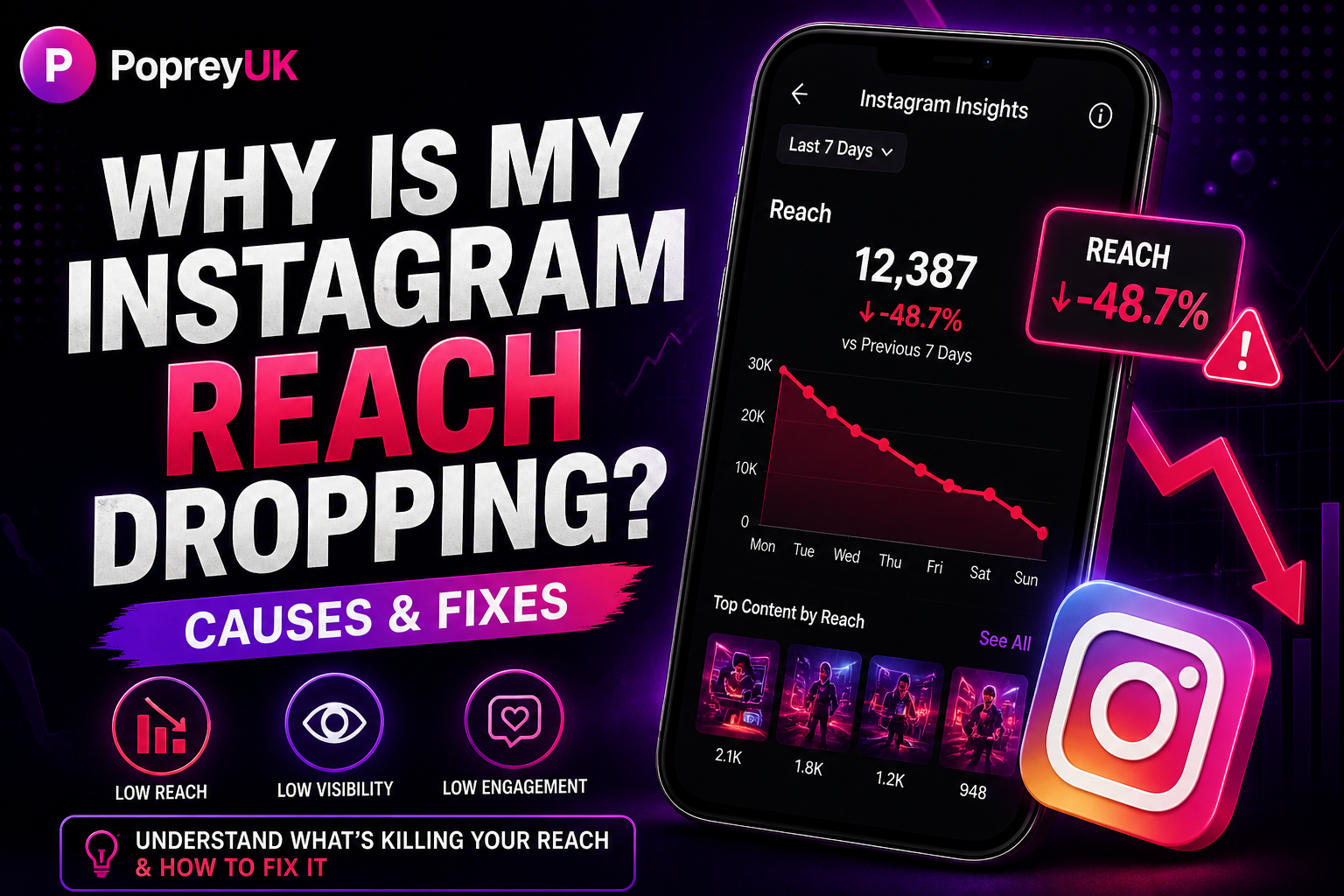
Instagram’s algorithm in 2026 is not a single system. It operates through multiple ranking models that determine who sees your content, when it appears, and how far it is distributed.
Most creators struggle with reach, not because their content is weak, but because it fails during the algorithm’s initial evaluation phase.
At its core, the platform evaluates user behaviour. It measures how people interact with content and uses those signals to decide whether a post should reach a wider audience or remain limited.
How Instagram Algorithm Decides Reach in 2026
Instagram determines reach based on a set of behavioural signals. These include how users engage with your content, how relevant it is to their interests, and how your account has performed over time.
The primary factors are:
Watch time and retention
Engagement quality, including shares, saves, comments, and likes
Previous interaction history between users and your account
Content relevance based on user activity
Content that performs well across these areas is more likely to be distributed beyond the initial audience.
Key Instagram Ranking Factors That Affect Reach
Once reach is evaluated, the algorithm focuses on a few core signals to decide whether the distribution should expand.
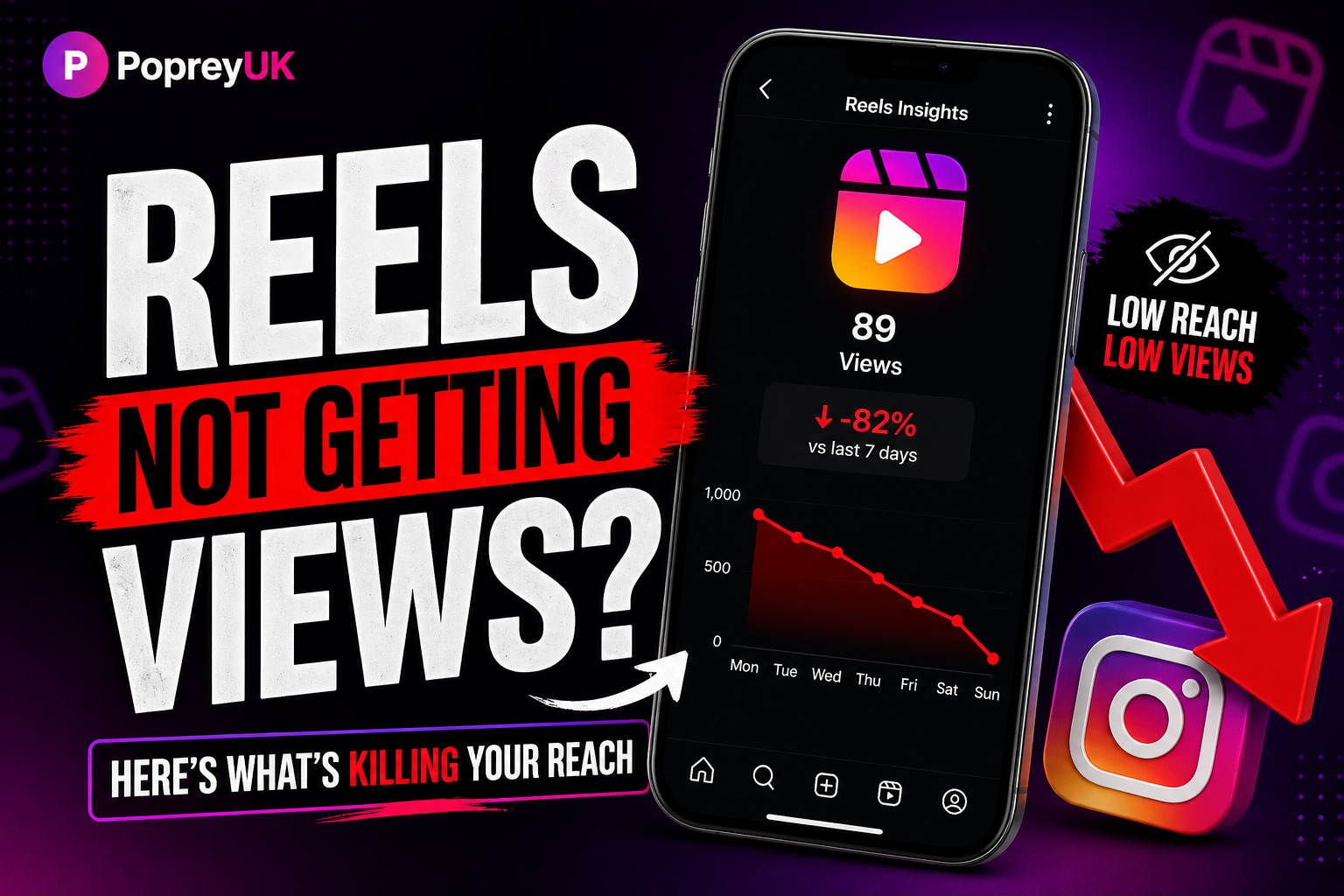
Retention is the most important ranking signal in 2026. When users watch content fully or pause while scrolling, it indicates value. In contrast, quick scrolling reduces the likelihood of further distribution.
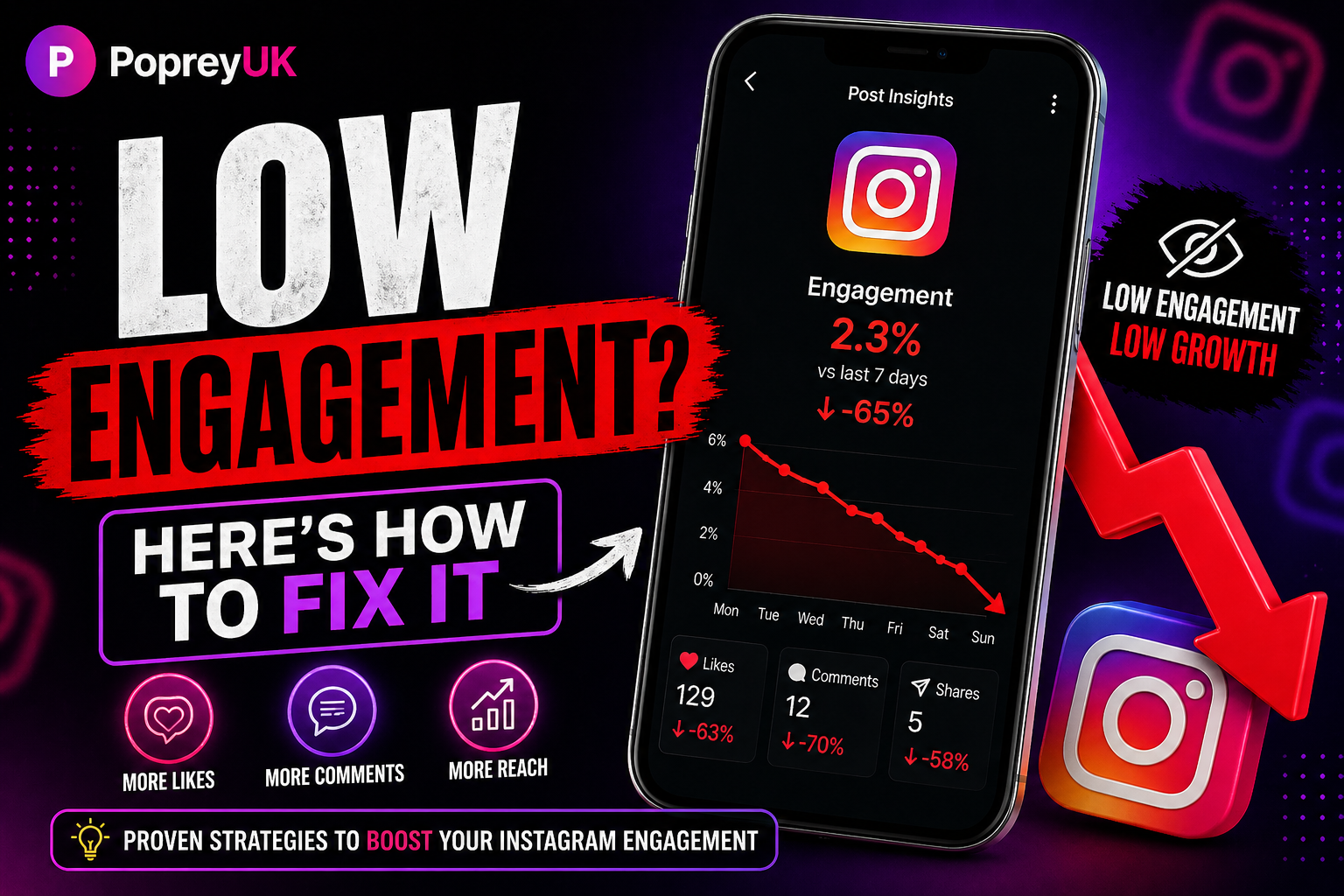
Engagement quality also plays a significant role. Shares and saves carry more weight because they reflect a stronger interest. Comments indicate active interaction, while likes provide a basic level of feedback.
Relevance determines how accurately your content is matched with the right audience. Accounts that maintain a clear niche and consistent content style are easier for the algorithm to classify and distribute effectively.
The Testing Phase: Why Initial Velocity Matters
Every post goes through a testing phase. Initially, content is shown to a limited audience. Instagram then evaluates how users respond. If the response is strong, distribution increases across Feed, Reels, and Explore.
The Role of Early Engagement
One of the key factors influencing this testing phase is early engagement, often referred to as Initial Velocity.
Content that receives strong interaction shortly after publishing is more likely to move beyond the testing stage. Without sufficient early signals, even high-quality content may fail to gain visibility.
This is the point where most content fails. Not because it lacks quality, but because it does not generate enough early signals to move forward.
How Your Account Influences Reach
Instagram evaluates content alongside overall account performance. Important account-level factors include:
Posting consistency
Historical engagement performance
Follower quality and interaction behaviour
Overall account trust
Accounts with stable activity patterns are more likely to achieve consistent reach.
Common Reasons Instagram Reach Drops
Several patterns can reduce content visibility:
Low retention and weak watch time
Limited or low-quality engagement
Irregular posting activity
Behaviour that appears unnatural or inconsistent
Avoiding these issues is important for maintaining stable growth.
Strengthening Early Performance
Content quality remains essential, but early performance plays a decisive role in distribution. A profile with active engagement and a stable audience base provides stronger initial signals.
Platforms such as Poprey.uk operate as service marketplaces where users strengthen their profile presence through increased engagement signals and audience activity. When used responsibly, this can support early engagement and improve how content performs during initial distribution.
Frequently Asked Questions
What is the most important ranking factor in 2026?
Retention and watch time are the strongest signals.
Do likes still matter?
Yes, but they carry less weight compared to shares and savings.
How does Instagram decide reach?
Content is tested on a small audience first and expanded based on performance.
How does the Instagram algorithm work in 2026?
The Instagram algorithm works by analysing user behaviour. It evaluates retention, engagement quality, relevance, and interaction history to decide how widely content should be distributed.
How does the Instagram algorithm use retention?
Retention measures how long users stay on content. Higher retention signals indicate value, which increases the likelihood of the content being pushed to a larger audience.
Conclusion
Reach is not controlled by content alone. It is controlled by how your content performs in its first exposure.
The Instagram algorithm in 2026 is driven by behaviour. Retention, engagement quality, and relevance determine how far content is distributed. Content alone is not always sufficient. Early performance plays a critical role in whether a post scales or remains limited.
Accounts that combine strong content with consistent engagement and a well-structured profile are more likely to achieve stable and scalable growth.